Culture is built in the moments that matter
Over three weeks, 12 workshops, six locations and four countries, I had the privilege of working with Gnosis by Lesaffre teams across France, Switzerland, Italy and the USA.
From Lille and Denain, to Sant’Antonino, Pisticci and Bagnolo Mella, before finishing with the Americas Hub team in New York City, the journey was an absolute whirlwind.
As I reflect on the experience, what stays with me is not the travel, the hotel rooms or the distance covered. It is the people who showed up with openness, generosity and a genuine willingness to contribute.
Across different countries, functions and working environments, one message became increasingly clear: culture is not created through a statement, a poster or a single workshop.
Culture is built in the moments that matter.
Culture is built in conversation
At every location, we created a space for people to describe the workplace they want to experience and the conditions that help them perform at their best.
We explored questions like: What does a good day at work look like? What helps you do your best work? What gets in the way? How do you want to be treated, and how will you treat others in return?
The answers varied from team to team, but the themes were remarkably consistent.
People want open communication, leaders who listen, useful feedback, recognition for their contribution and a clearer understanding of how their work connects to customers and the broader strategy.
They want to feel safe, respected and included.
These may sound like simple human needs, but simple does not mean insignificant. Culture is formed through the daily interactions that tell people whether they matter, whether that is a leader making time to listen, colleagues sharing information across departments, or someone noticing an effort that might otherwise go unseen.
A simple Culture Koala, presented to recognise someone’s everyday contribution, may seem like a small gesture. But recognition sends a clear signal about what matters. It says, “I see you, and your contribution made a difference.”
Small signals, repeated consistently, become culture.
The people closest to the work hold important wisdom
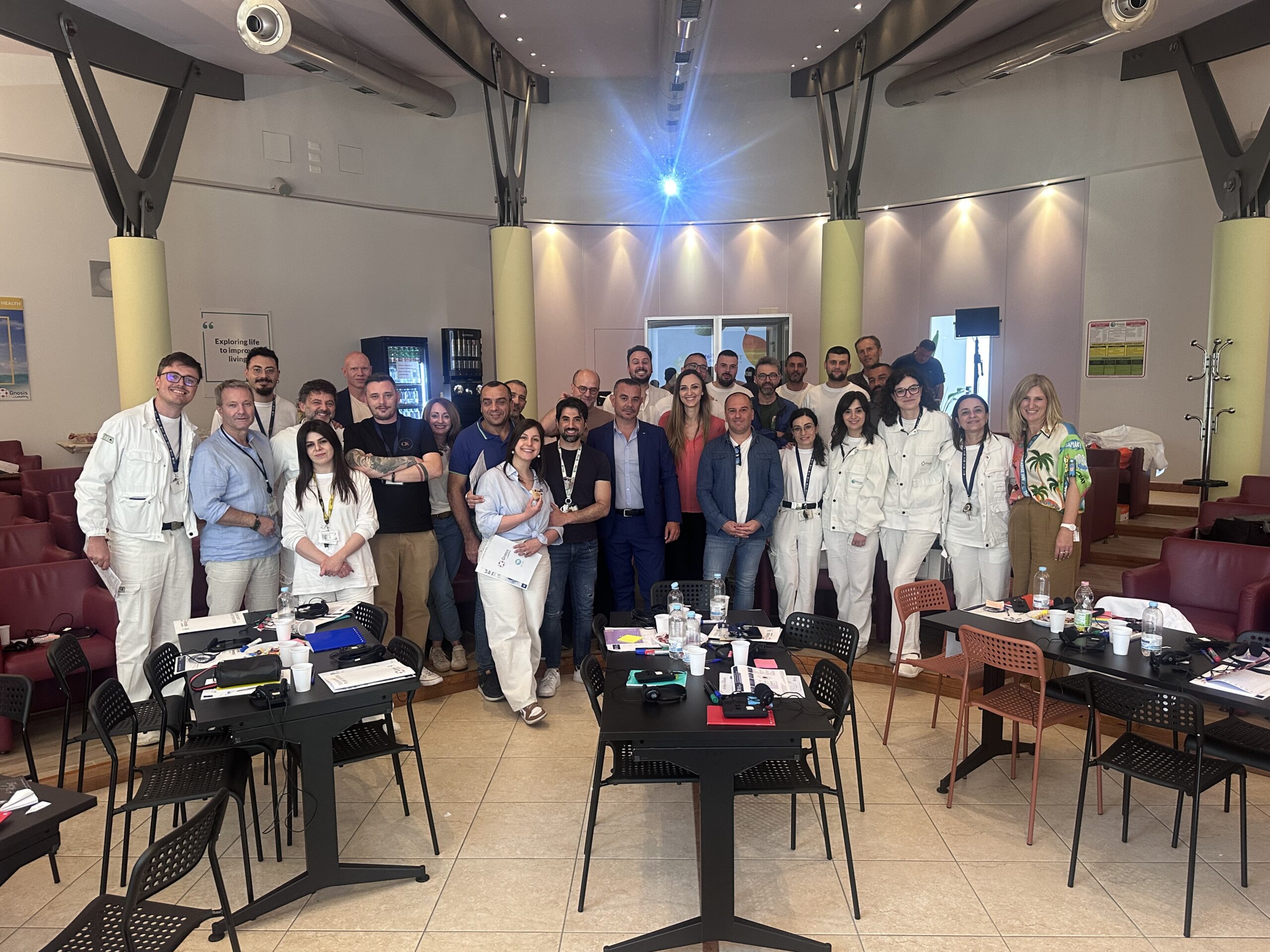
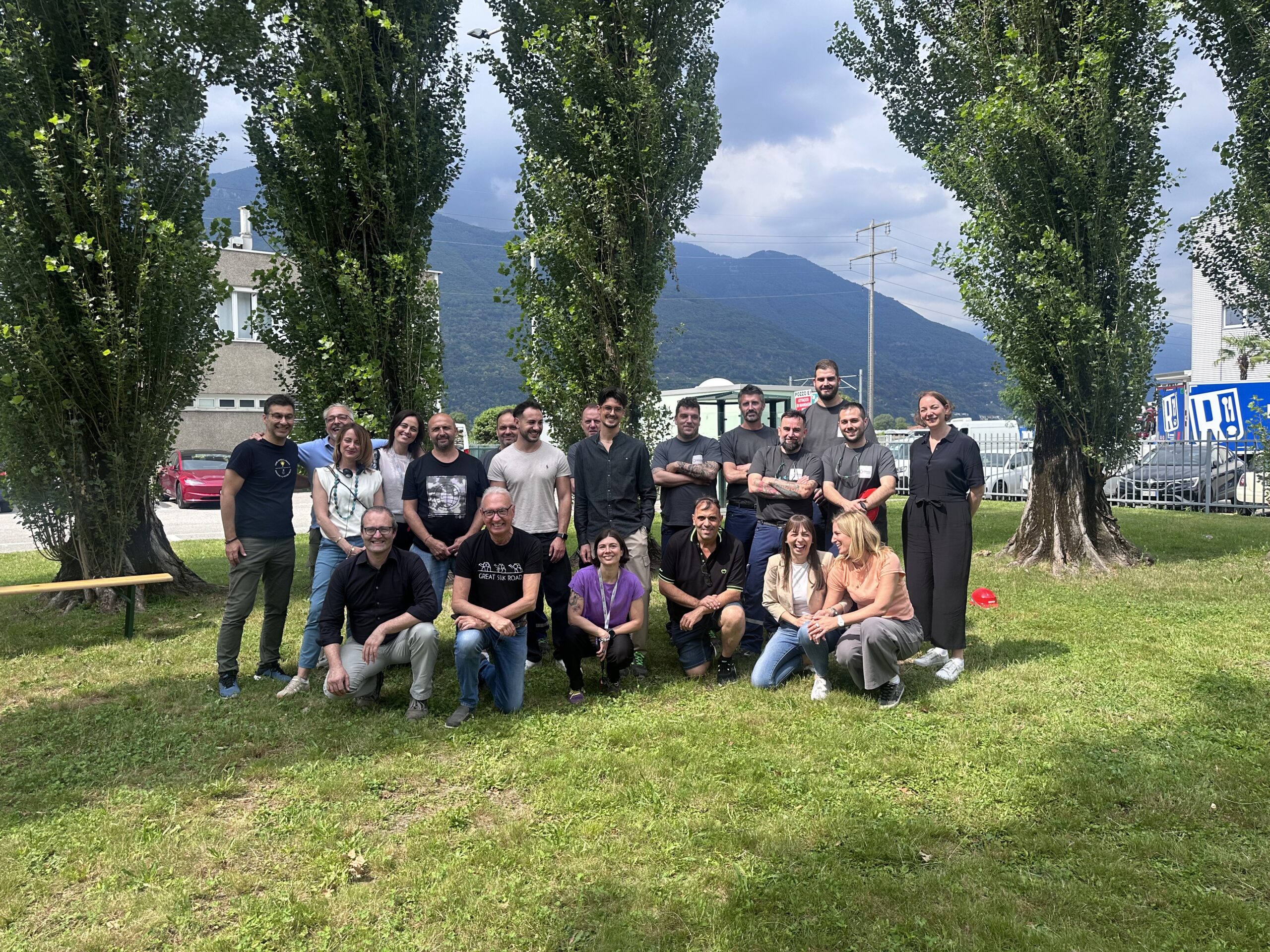
Some of the most powerful conversations happened with production teams in Sant’Antonino, Pisticci and Bagnolo Mella.
These teams work in demanding environments, managing noise, heat, cold, machinery and the constant requirement to deliver high-quality ingredients safely and efficiently.
For them, a good day at work means nobody is hurt, every task is completed, the machines operate smoothly, colleagues support one another and the team achieves its targets.
These workers understood better than anybody that culture is not a soft concept. Culture directly influences safety, productivity and achievement.
They also had thoughtful, practical suggestions for improving the working environment, including more communication between departments, greater insight into customer expectations, more coaching and feedback, recognition of effort, and greater openness to change and idea exchange.
Leaders do not need to have all the answers. Their role is to create the conditions in which people can share what they know, particularly because the people closest to the work often hold the most useful insights about what will make that work better.
When leaders listen with curiosity, those insights become a powerful source of improvement.
Connection is productive
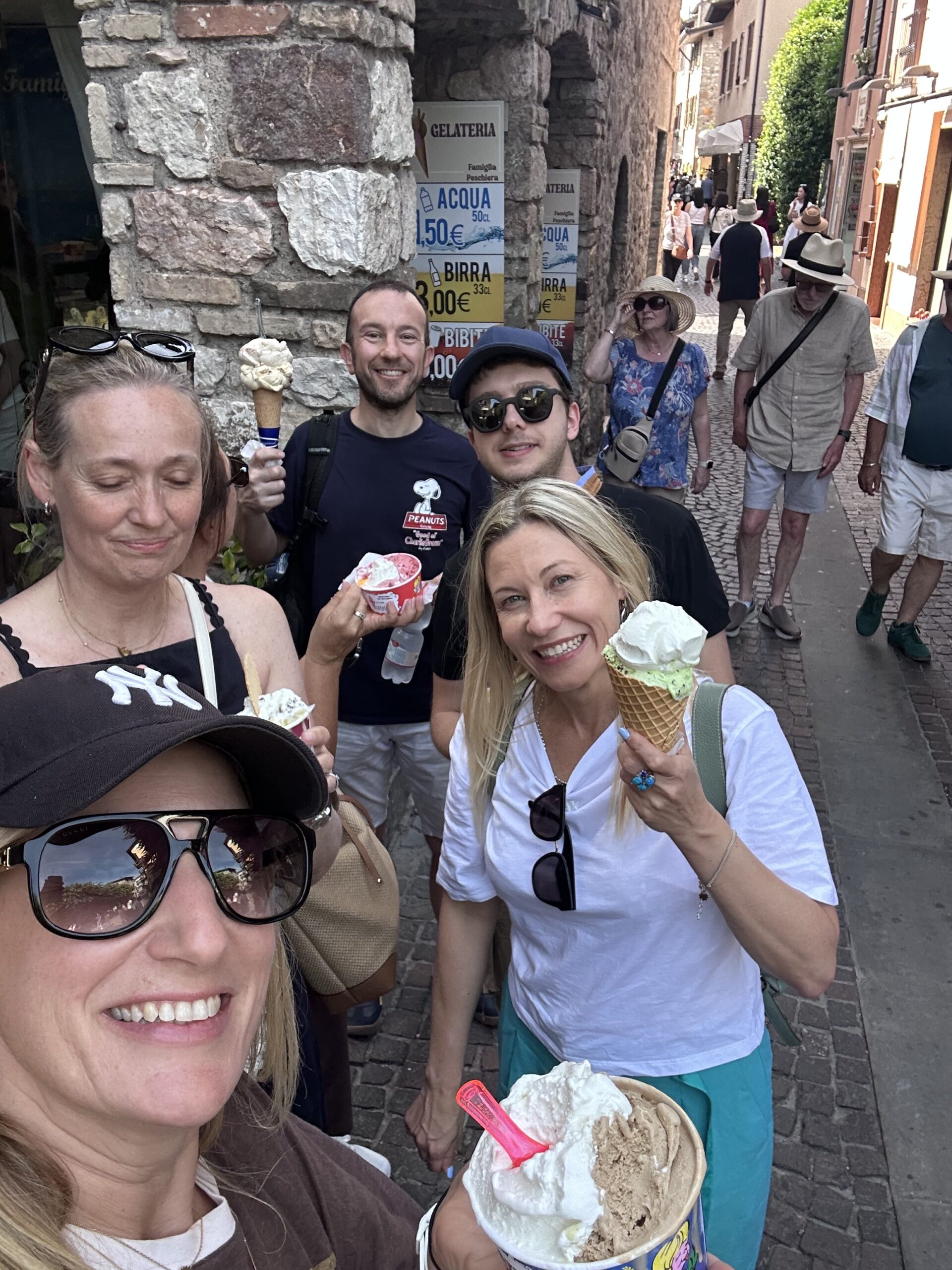
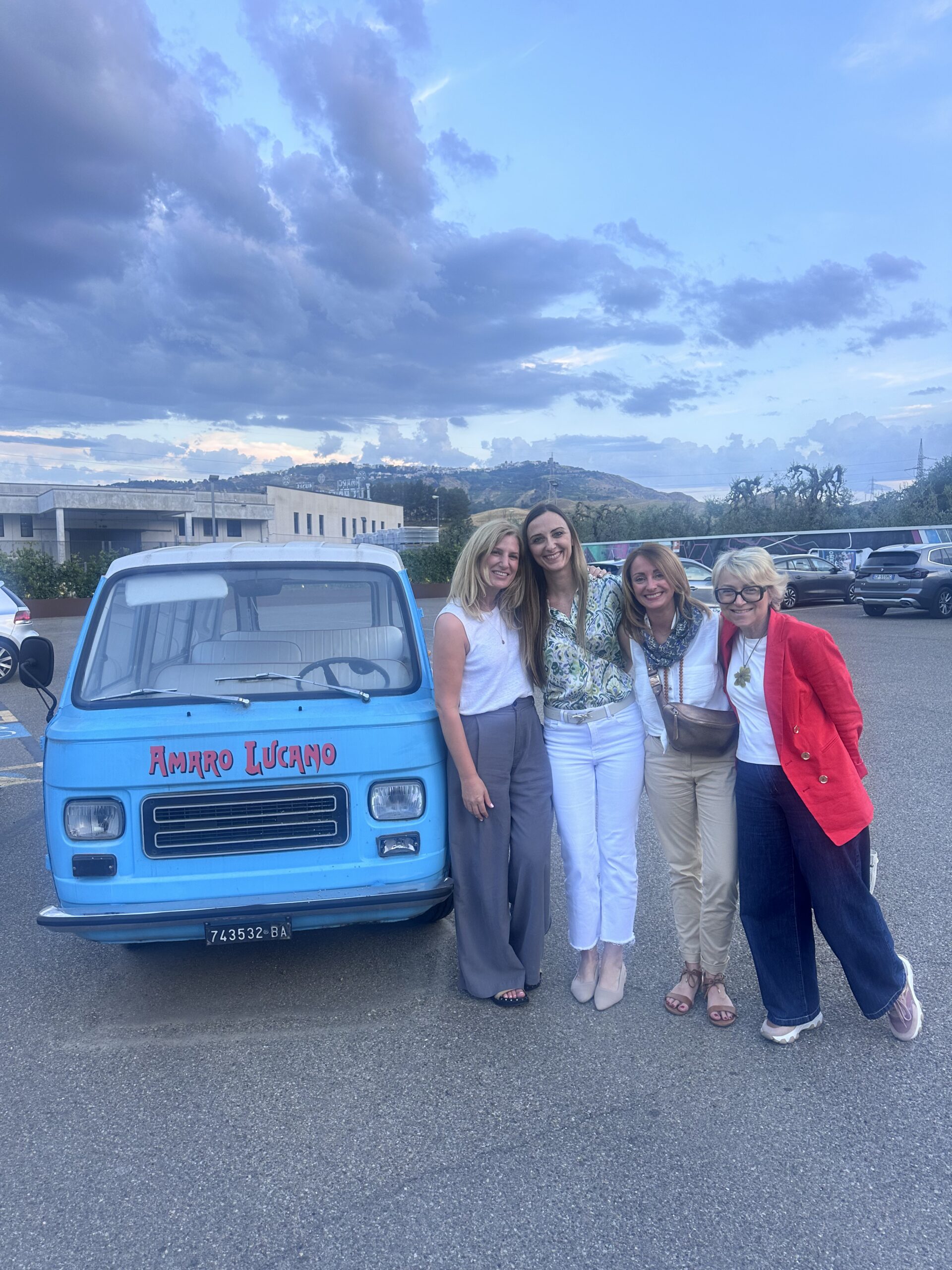
In Italy, I was struck by the importance placed on morning coffee and the lunchtime break.
These moments were not treated as distractions from work, but as part of the rhythm of work. People took time to enjoy good food, talk with their colleagues and strengthen relationships, and there was a warmth and hospitality that reflected a genuine priority placed on connection and enjoyment.
More westernised cultures can learn from this.
When pressure increases, leaders often take relational shortcuts by rushing conversations, skipping check-ins, sending curt emails and focusing entirely on the task.
But trust and respect are the bonds that tie teams together. Without connection, collaboration becomes harder, misunderstandings multiply and people retreat into silos.
Connection is not time wasted. It is the platform from which teamwork becomes possible.
Strategy only works when culture supports it
The final stop was New York, where I worked with the Americas Hub team.
This group has doubled in size over the past 12 months and is building a new customer-focused strategy, supported by global counterparts in Italy, France and Switzerland.
The strategy asks people to collaborate across regions, make empowered decisions, respond faster, resolve differences constructively and learn new rules for a new game.
That requires more than a new organisational chart. It requires a culture that supports the strategy.
What I loved about this group was their willingness to jump straight in, without hesitation or holding back, and to engage in honest conversations, thoughtful questioning and a genuine commitment to creating the culture they want for the future.
That is how culture shifts.
It happens when people choose to listen. When leaders create space for others to speak. When teams recognise effort, share information, challenge ideas constructively and take responsibility for the environment they are creating together.
Across four countries and many different teams, the lesson was the same.
Culture is built every day, by people who choose to show up with care, generosity and commitment.