Transforming Culture
Transforming Culture
Transforming culture has been a consistent theme in my work over the past quarter.
Across several large-scale projects — spanning a global nutraceutical company activating an ambitious growth strategy, a sports and recreation organisation preparing for scale, and a manufacturing business transforming into a leaner, more efficient organisation, and a civil construction company catching up with its own growth — the brief has been different each time, but the underlying challenge has been remarkably similar. Leaders are recognising the necessity to align the culture to business ambition.
So, what have I learned over the last three months about what it takes to transform and align your culture?
Three key things:
1. Lazer sharp clarity on purpose and direction
2. Leaders who listen and foster open, constructive dialogue
3. Culture is on the agenda – we talk about it and put plans in place to shift it.
Clarity of purpose
In all four client contexts described above, there was a burning platform. A reason to shift culture – whether it be growth, scaling, consolidation or systems and process improvement. The reason for change needs to be clear, and the strategy to create the change clearly communicated from the top down.
Your purpose (and subsequent strategy to deliver on your purpose) needs to be more than statements on a page or a canva deck. It needs to be brought to life through meetings, workshops, training sessions, and internal comms. It needs to be talked about, repeated, and understood. People need to understand their role in achieving it and have the opportunity to set their own intentions, goals and measures aligned to purpose.
In the manufacturing organisation I worked with, this showed up through consistent communication about strategic priorities and operational goals. In the sports and recreation setting, it came to life through a renewed focus on purpose and community impact. In the nutraceutical company, it was brought to life through a brand refresh and multiple strategic planning workshops. When people understand what matters, effort becomes more focused and energy is directed towards meaningful outcomes.
Leaders who listen
Across all examples, there was a noticeable shift in how leaders showed up.
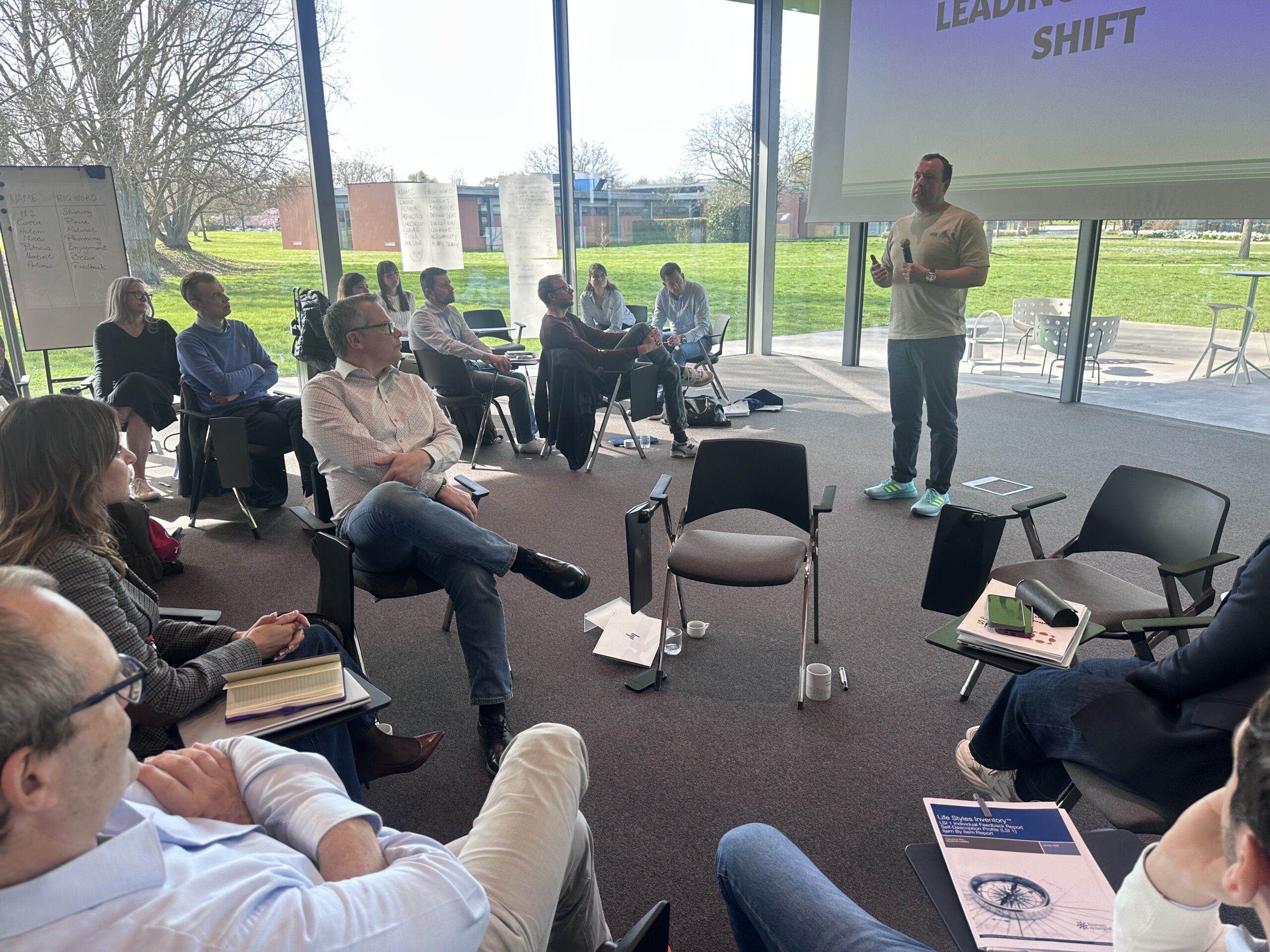
In the nutraceutical company, the shift over a single year was profound. What had previously been a predominantly defensive workplace — where people avoided difficult conversations, operated cautiously, and defaulted to blame — evolved into something vastly different. A culture where people were more open, more constructive, and significantly more willing to listen, contribute and challenge each other in productive ways. This was a measurable and observable shift: using Human Synergistics culture inventories, we managed to demonstrate a complete turnaround in the predominant cultural styles of large portions of the workforce.
How did they do it? In addition to having clear and relevant purpose, leaders created space for others to contribute, and in doing so, signalled that contribution was both expected and valued.
Conversations became more open. Listening improved. There was willingness to invite input and genuinely consider different perspectives. It was the actions of leaders to ask and listen, to lean into conflict and share views, that built trust and respect, ultimately helping teams see the value in collaboration. They are on their way to achieving the shift more decisively and consistently across the deeper aspects of their organisation including in their manufacturing facilities.
In the manufacturing organisation, the leaders who demonstrated an uplift in performance and efficiency did this by involving their teams in decision making. Instead of dictating terms, they invited conversation, empowering their people to solve the problems of realising efficiencies, improving safety, and delivering better customer outcomes.
In the construction organisation, their change was observed when their leadership team started working as a team. Instead of going to the boss for answers, they sought each other out and leveraged their shared knowledge and capability to problem solve.
Culture is shaped far more by what leaders do than by what they say. When leaders model curiosity, openness and respect, those behaviours ripple throughout the organisation, shaping how people think, interact and perform.
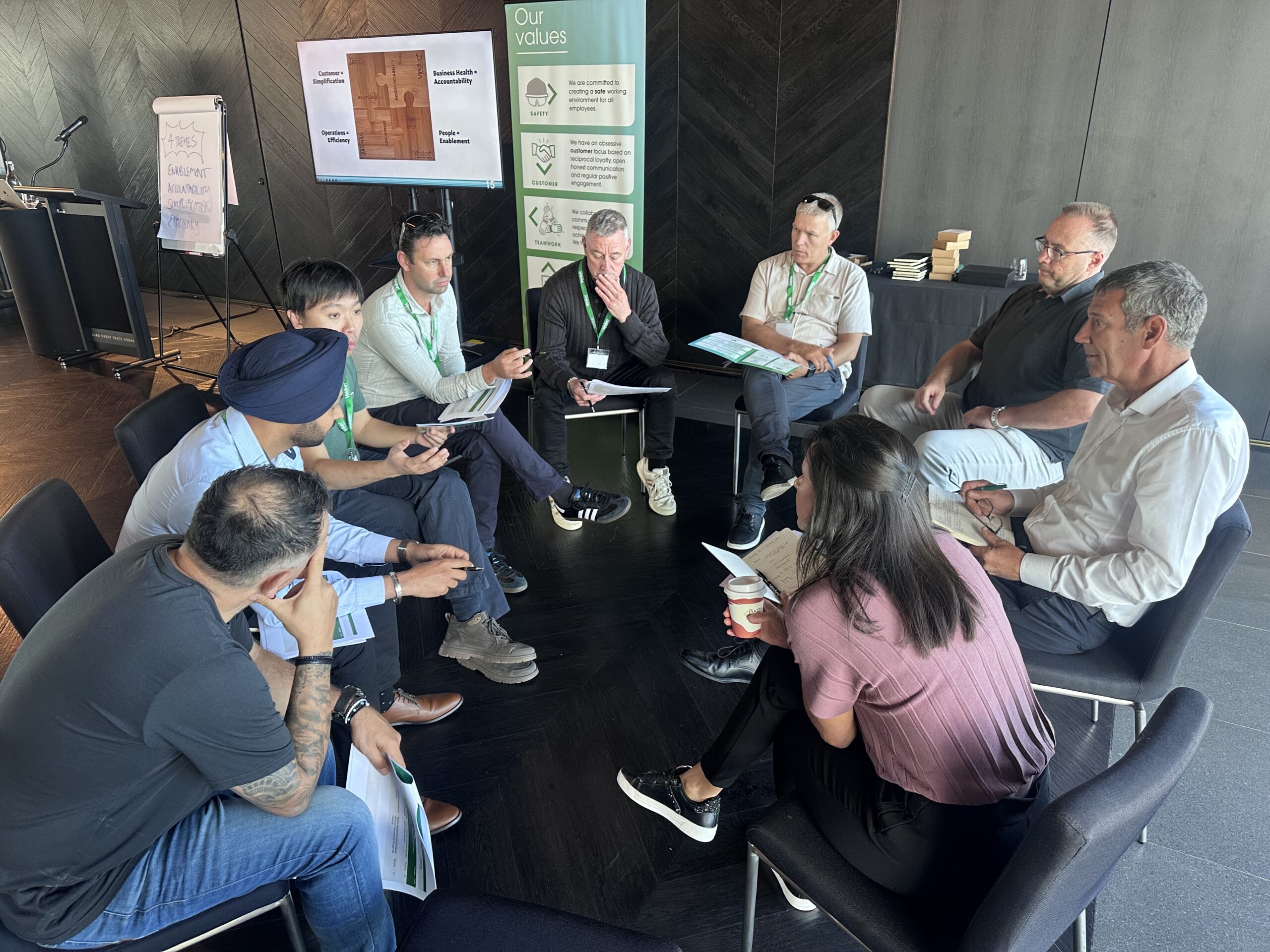
Put culture on the agenda
In each client context, there was a conscious decision to put culture on the agenda. Not as a one-off initiative, but as an ongoing dialogue about how people were working together. Teams spoke openly about their dynamics, their challenges, and their opportunities to improve.
In the manufacturing business, this meant integrating conversations about safety, quality, and improvement into operational rhythms, not treating it as something separate from performance.
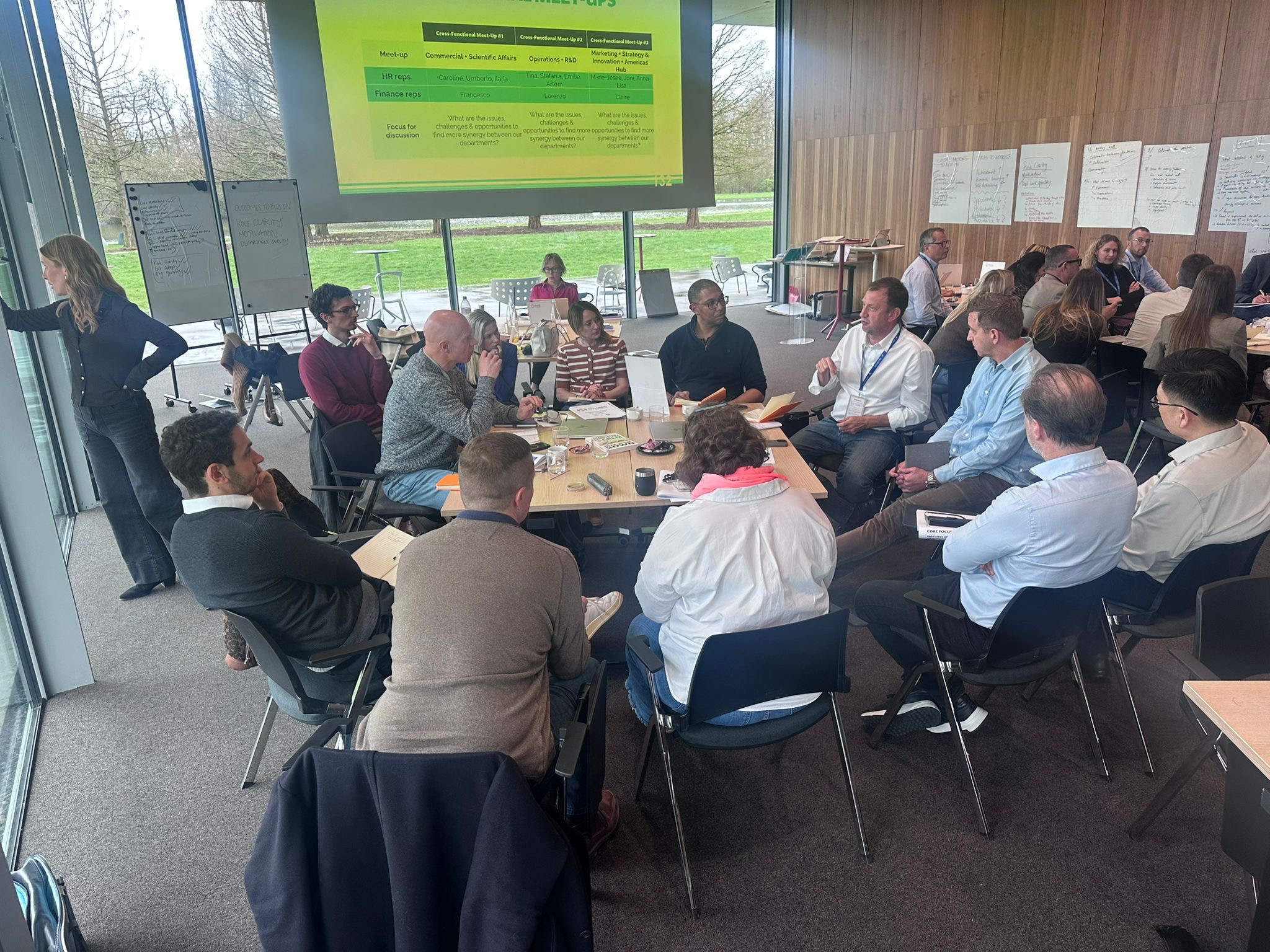
In the nutraceutical company, it involved creating culture plans in addition to business plans in every department, team and region. They put culture on the same pedestal as strategy – a decisive move that took more time – but delivered greater returns.
The construction crew invested in developing their leadership capability and actively normalised feedback. They gained clarity on the expectations of their founder, and helped make each other take more ownership and accountability for company performance by setting up clear plans and having better meetings.
The sports and recreation company redefined their values – consulting their teams widely to surface the best of their culture and highlight what are the most important factors contributing to success. They spent time and energy defining their new purpose, values and vision to ensure everyone was aligned on the true value they create for their customers.
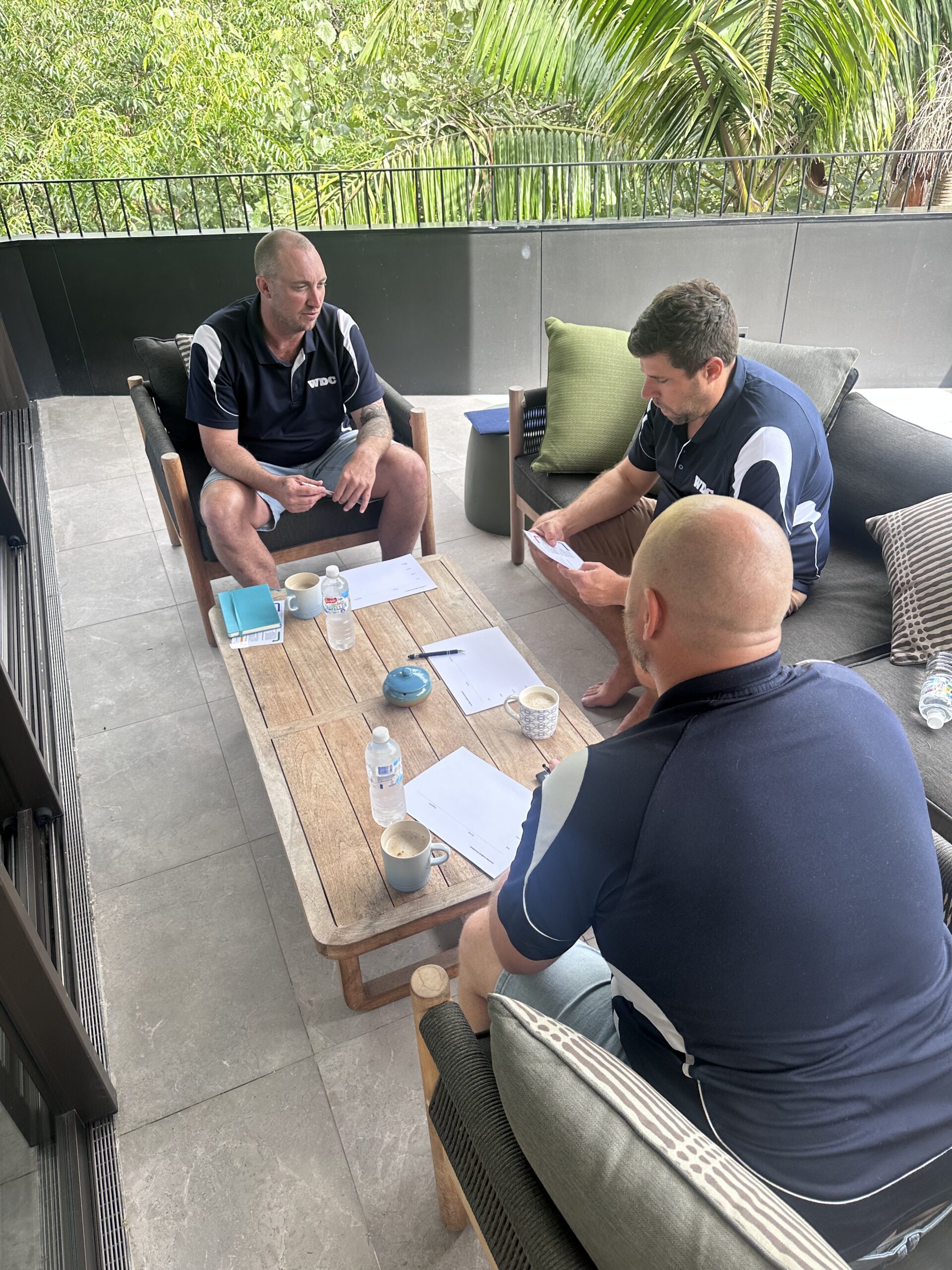
Businesses can’t be high performing without a focus on culture
This is what high-performing organisations look like in practice. They are not perfect, and they are not without challenge, but they understand that culture is their competitive advantage, recognising that a clear vision without an engaged and aligned team is just a dream.
If you need to align your culture to your purpose & vision; consider these questions:
1. What is your burning platform? What needs to change so you unlock the potential of your business, regardless of the market conditions you face?
2. Are your leaders facilitating conversations in ways that open people up, instead of shut them down? Do they have the mindset and skillset to lead in constructive ways?
3. Are you putting culture on the agenda? Do you ask your people to set culture plans as well as business plans? Do you reference your values in decision making or in any conversations at all?
Because culture is not created through intention alone. It is created through the systems, behaviours and interactions that are repeated every day.
When those elements are aligned, culture shifts. And when culture shifts, performance follows.
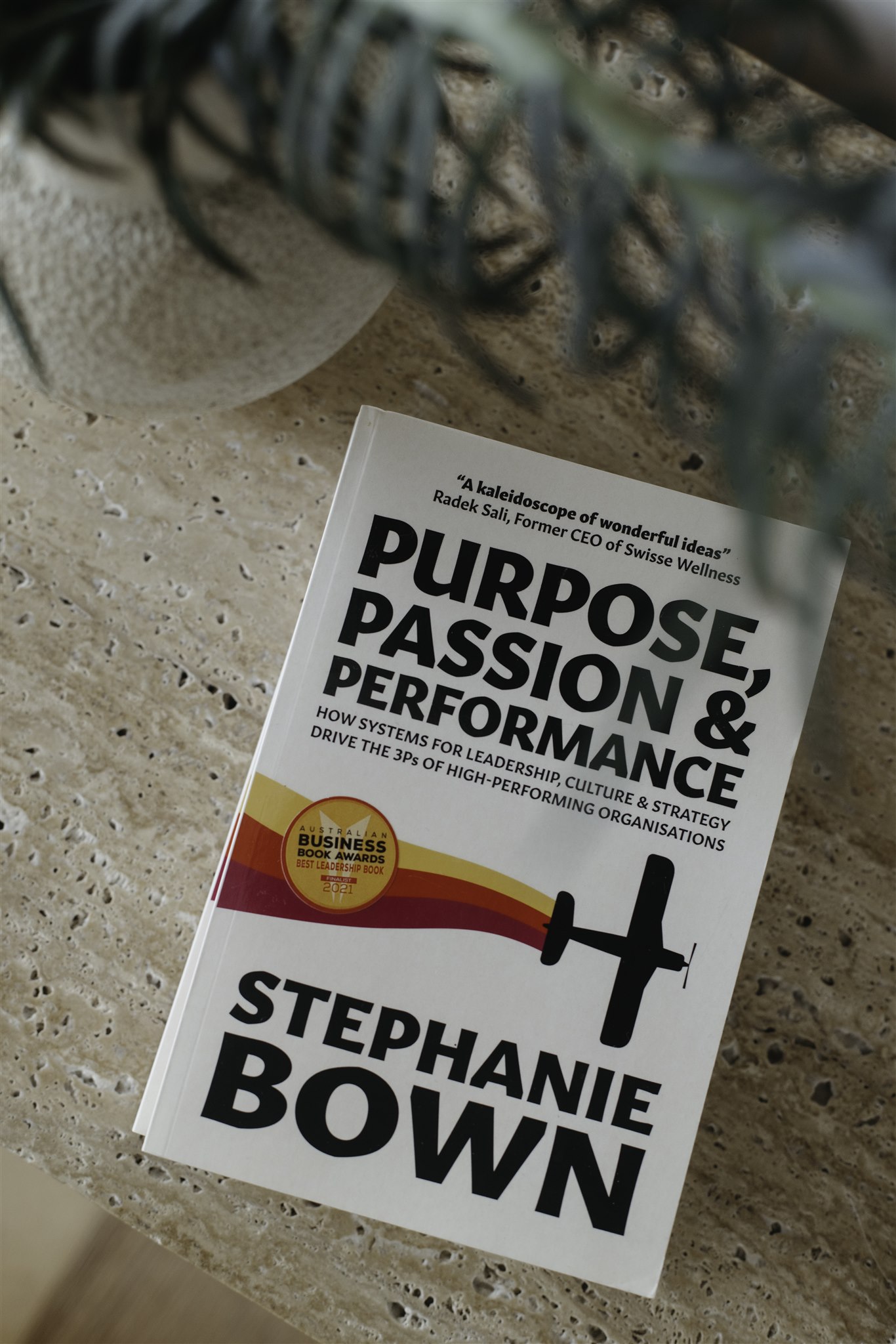
For inspiration or assistance with aligning your culture– check out my Transform Culture program, or pick up a copy of my book Purpose, Passion & Performance: how systems for leadership, culture and strategy drive the 3Ps of high performing organisations.