When Distance Creates Dissonance: Building Cohesion in Global Teams
In today’s connected world, global teams are more the rule than the exception. And while access to diverse perspectives and capabilities is a clear strength, cross-border collaboration often comes with hidden friction – time zones, language gaps, cultural nuances, and different lines of authority.
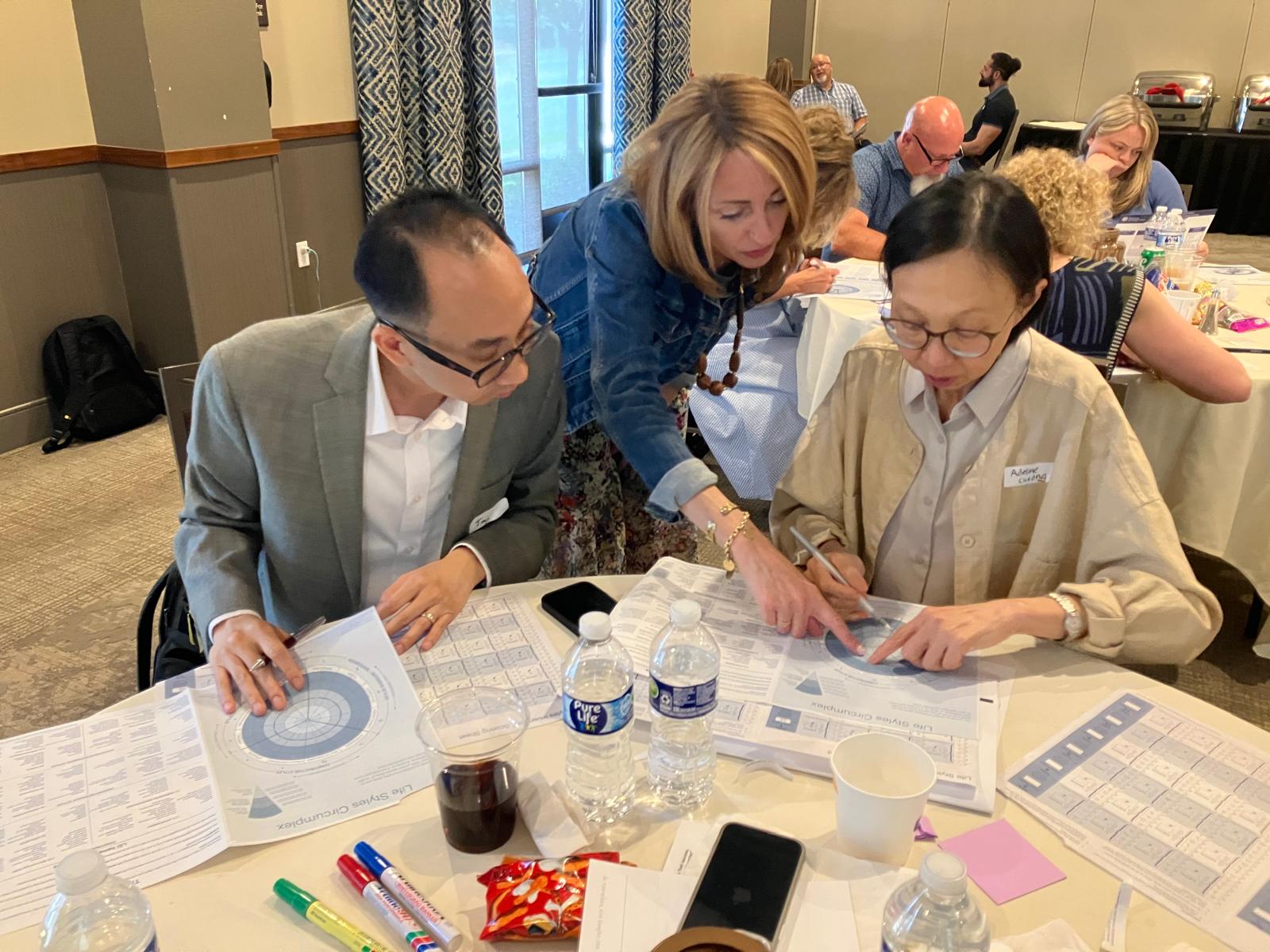
I recently spent three days in Milwaukee with a US-based team of a global company. It was a timely opportunity to pause, regroup and reset the way they operate. Like many geographically dispersed teams, this one was feeling the pressure. Charged with delivering on ambitious targets, they were battling daily with supply line bottlenecks, internal communication hurdles and the strain of navigating both geographic and functional divides.
And they’re not alone.
According to Harvard Business Review’s Global Teams That Work by Tsedal Neeley, one of the most common pitfalls in dispersed teams is social distance – the emotional and psychological gap that widens when people work across boundaries of time, space, culture and power. Left unaddressed, this distance leads to disengagement, misalignment, and fractured delivery.
The team I met in Milwaukee were experiencing exactly that.
Despite their individual capability and commitment, they were struggling to operate as one. The recent appointment of a new President and General Manager for the Americas was a key move – not just to lead the region, but to serve as a bridge between the business units and the global matrix. Someone who could translate strategy into context and provide clarity on priorities.
But a new leader alone wasn’t going to shift the dynamic. We needed to do some intentional work on the system itself – and how this team showed up inside it.
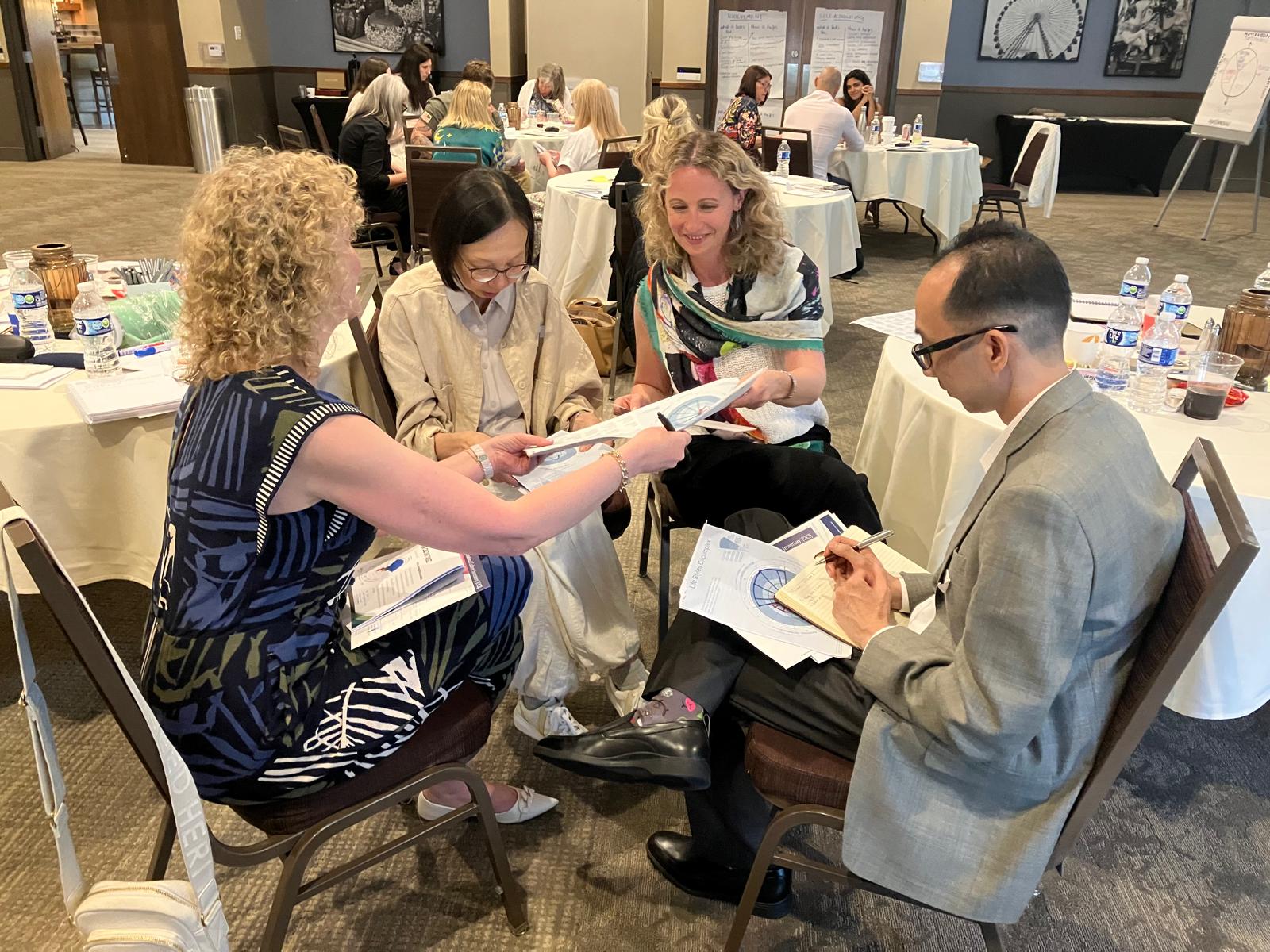
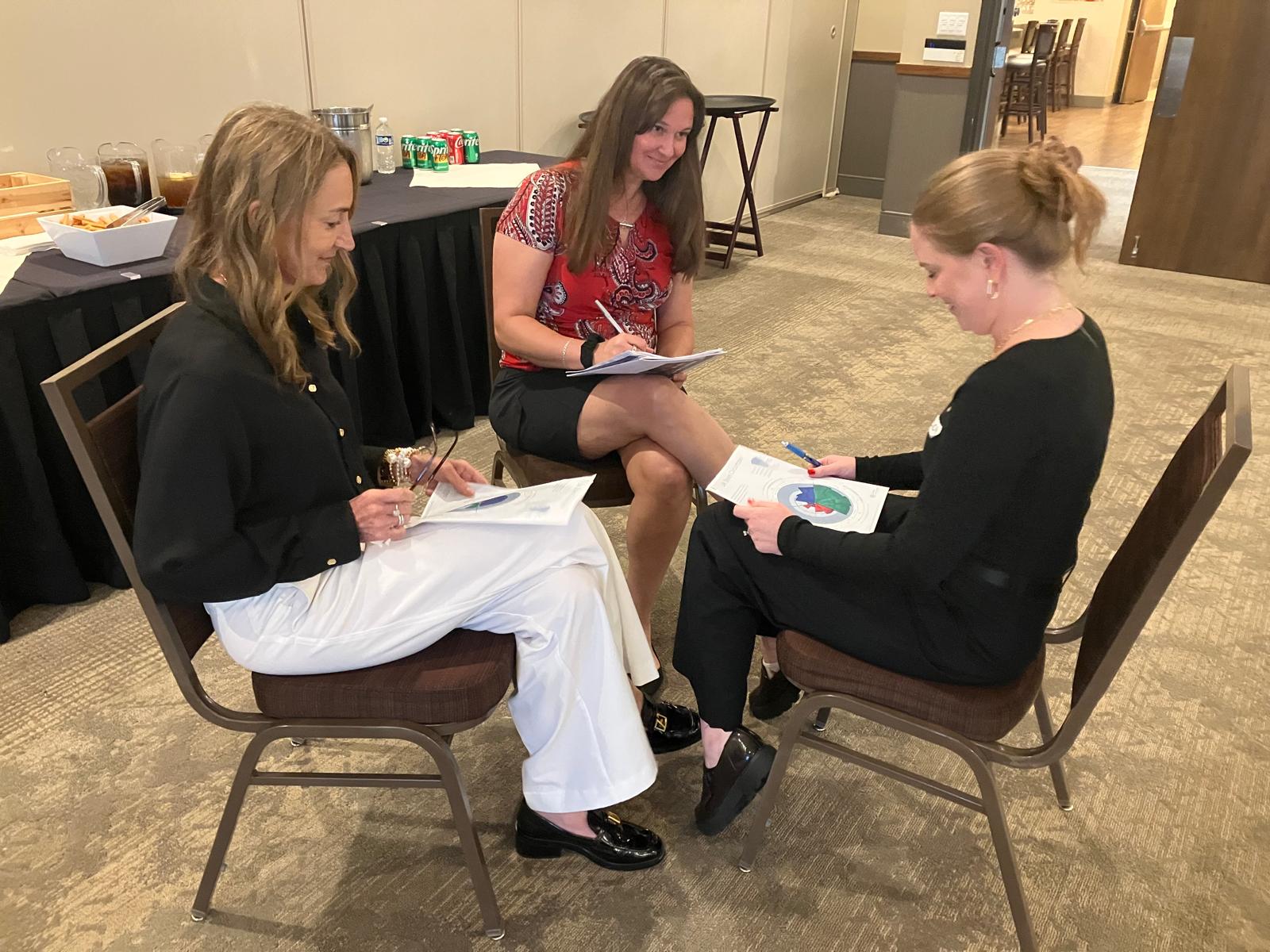
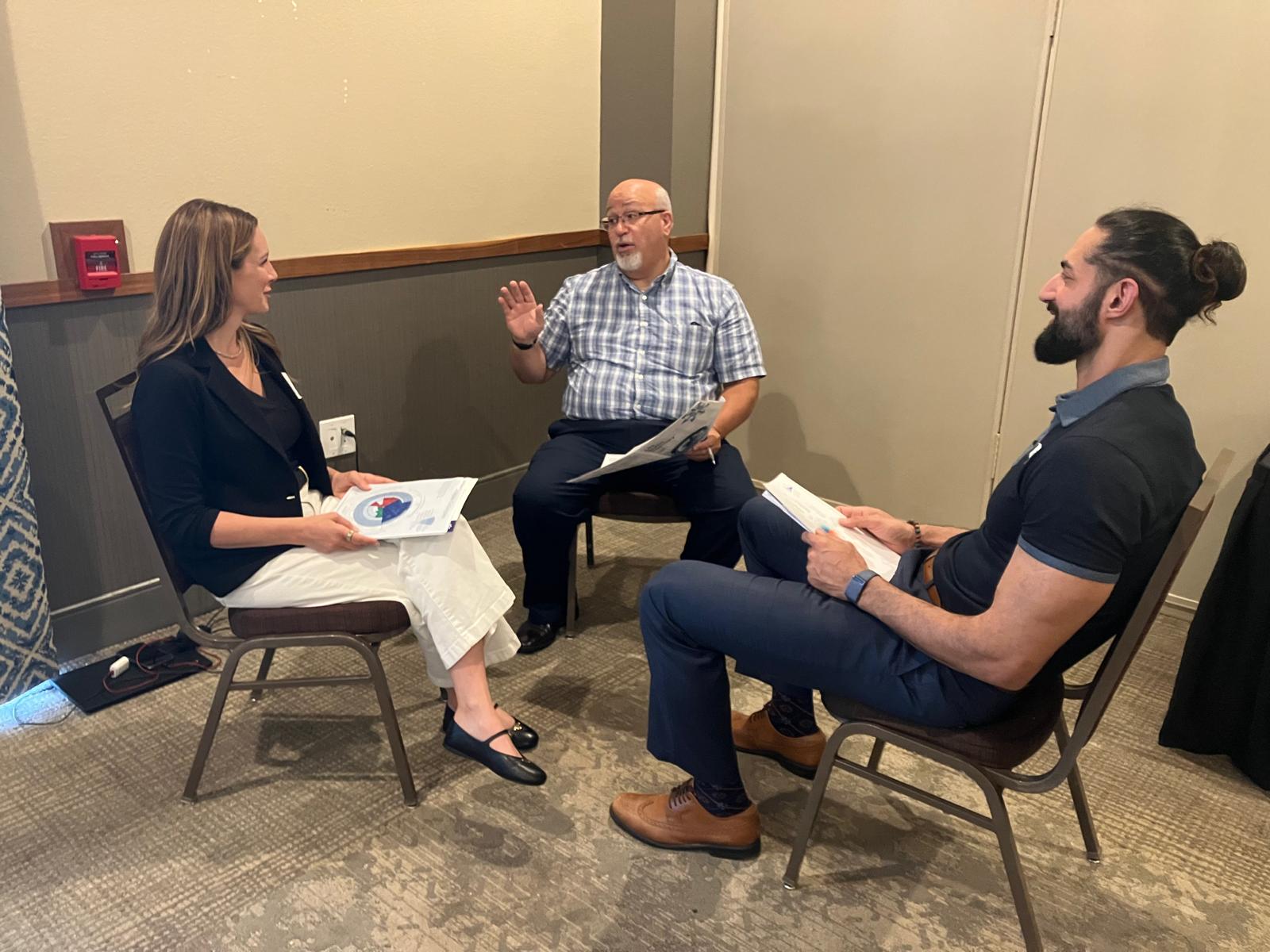
We focused on four key areas to help this group build cohesion and reclaim their sense of ownership:
1. Self-Leadership
Before a team can function collectively, each member must know how to lead themselves. We began with a focus on mindset – helping individuals get clear on how they want to show up, what’s within their control, and how to take ownership of their contribution. In global teams especially, self-leadership is critical. With distance comes autonomy. By strengthening self-leadership, we laid the foundation for accountability that doesn’t rely on hierarchy.
2. Culture
We unpacked the unspoken norms – the ways of working that had taken root over time, often unconsciously. When teams span multiple regions, culture isn’t a given. It must be created deliberately. We reflected on results from recent Human Synergistics culture diagnostics to surface the assumptions and behaviours that were helping – and hindering – their cohesion. We then aligned on a cultural vision: the new norms they wanted to be known for. This created a shared commitment and set of goals that would sustain those norms including training, meetings cadences, cascaded strategy, and meaningful rewards.
3. Connection
With so much of their communication happening remotely, the human dimension had slipped. We discussed the needed cadence of connection that allows time for both tasks and people. In dispersed teams, connection doesn’t just happen – it needs to be designed. And when it is, it acts as the social glue that sustains collaboration through complexity.
4. Principles
Finally, we defined a set of team principles to guide how they engage. Not rules, but agreements – co-created, transparent, and actionable. These included how decisions are made, how conflicts are resolved, and how communication flows. The goal wasn’t to eliminate tension, but to provide guidance on how to address conflict when it happens.
These four focus areas helped this team shift from reactive to proactive. From scattered to aligned. From overwhelmed to empowered.
These shifts are simple – but not easy. They require time, commitment, and a willingness to challenge old patterns. But when done well, they create the conditions for synergy – where people feel clear, connected and capable of owning their part in the whole.
That’s what we saw begin to take shape in Milwaukee. And it’s a lesson for any organisation with teams that stretch across time zones and cultures: don’t just connect your people. Equip them to lead, align and grow – together.